
Veterinary Product Label Printing in South Africa: Compliance & Design
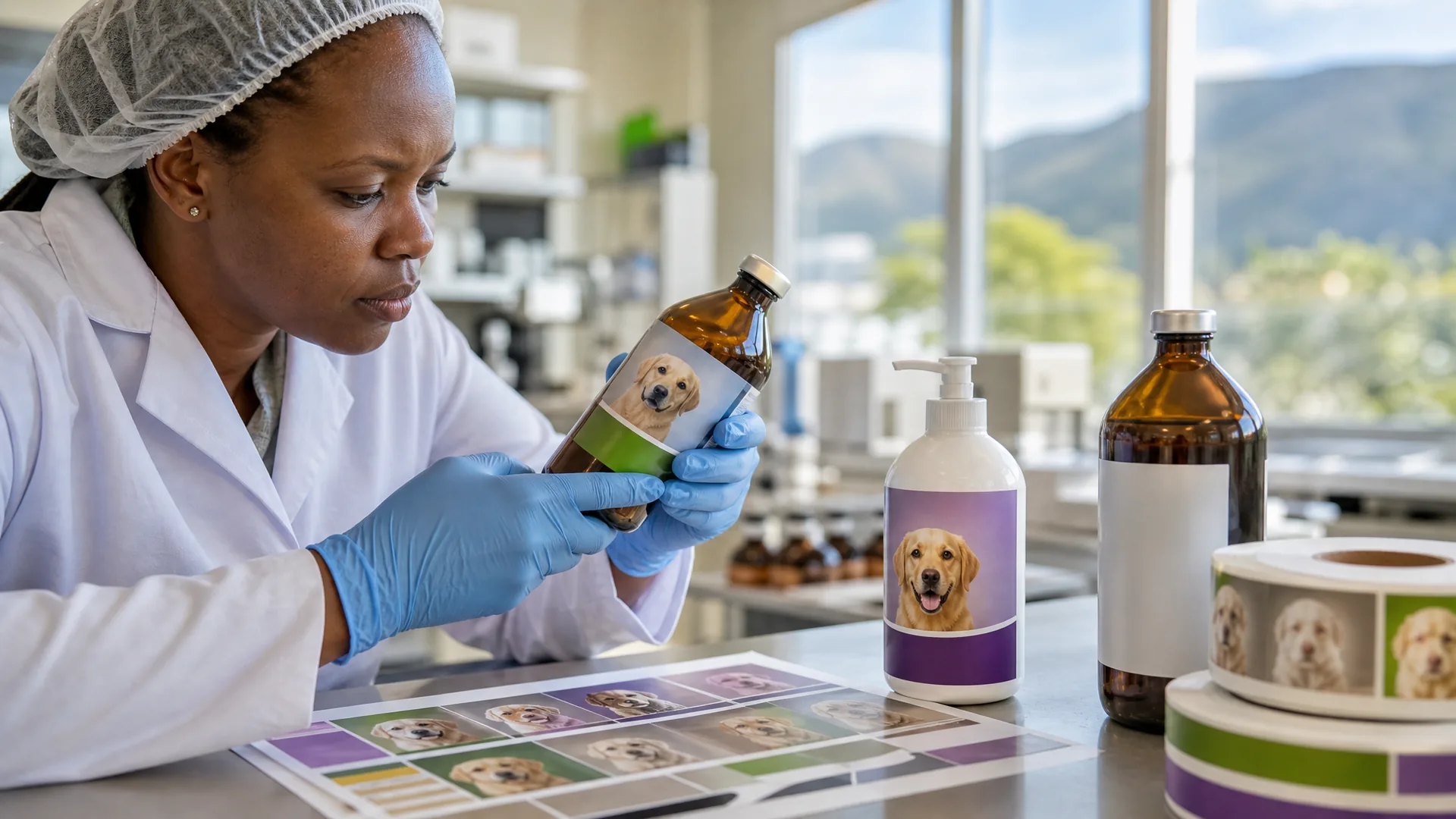
Veterinary product brand owners face a labelling problem that most printers and packaging suppliers don't understand. A pet shampoo, a stock remedy, or an injectable animal medicine carries more regulatory information than a typical cosmetic or food product. It also has to survive conditions that would destroy an ordinary paper label. Yet there's little local guidance covering compliance and durability together. This gap is where Gateway positions itself: a packaging partner that treats veterinary product label printing in South Africa as a specialist discipline, not an afterthought.
Why Veterinary Product Labels Need a Different Approach
Vet and animal remedy labels sit at the intersection of two demanding requirements. They must satisfy regulatory bodies, and they must physically hold up in environments that punish standard materials. Get either wrong, and the brand owner faces recalls, retailer rejection, or a product that looks unprofessional within weeks of hitting the shelf.
Few South African printers specialise in this combination. Most are set up for FMCG runs, where the biggest concern is shelf appeal. Veterinary packaging in South Africa demands a different starting point: what does the label need to say, and what does it need to survive?
How vet products differ from cosmetics and food
Cosmetics and food labels answer to their own regulations, but they rarely face the same physical abuse as veterinary products. A shampoo bottle in a bathroom cabinet doesn't get hosed down daily. A stock remedy on a farm does.
Veterinary and animal remedy labels also carry more mandatory technical content: registration numbers, active ingredients, dosage instructions, withdrawal periods, and safety warnings. All of that has to stay legible after months of handling, refrigeration, or outdoor storage. Cosmetic labels focus mostly on ingredients and marketing claims. Vet labels have to manage compliance and survival at once.
Act 36 Label Requirements for Veterinary and Stock Remedies
South Africa's veterinary and animal remedy sector is regulated primarily under Act 36 of 1947, the Fertilizers, Farm Feeds, Agricultural Remedies and Stock Remedies Act. This legislation governs the registration and labelling of stock remedies and animal feeds. It sets the baseline that most veterinary label compliance work in South Africa is built around.
Brand owners often treat label compliance as a design afterthought. It isn't. It shapes layout decisions from the first draft, because certain information has to appear, in a certain order, in text that stays readable at the point of use.
What must appear on the label
Exact requirements depend on the product category and its registration. But veterinary and stock remedy labels typically need to show:
- The registration number issued for the specific product
- The active ingredient and its concentration
- Directions for use and correct dosage
- Warnings, precautions, and any withdrawal periods before slaughter or milking
- Batch or lot identification for traceability
- Manufacturer or registration holder details
This isn't an exhaustive checklist. Requirements can differ between stock remedies, veterinary medicines, and feed additives. Brand owners should confirm current requirements with their registering authority before finalising artwork, since regulators review and update the rules from time to time.
Registration numbers and claims
The registration number is one of the most scrutinised elements on the label. It has to be accurate, current, and clear enough to read at a glance. It's what links the product to its approved use and formulation.
Marketing claims need equal care. Any statement about efficacy or benefit should match what's actually registered and approved for that product. Overstating a claim on the label, even unintentionally through loose wording, can create compliance problems. Those problems cost far more to fix after printing than before it. Barcode placement matters here too. It's worth reviewing barcode requirements for product labels alongside your Act 36 obligations, so both sets of requirements are satisfied in one layout.
Choosing Durable, Waterproof Labels for Vet Products
Gateway works with FMCG and veterinary brand owners producing runs of roughly 2,000 to 50,000 units, and regularly advises on substrate choices for products exposed to moisture, disinfectants and handling. That experience points to one conclusion: paper labels are the wrong choice for most vet products.
A pet shampoo or dip concentrate label needs to survive repeated splashing, farm dust and UV exposure at outdoor retail points. That rules out standard paper stock. Labels on injectable or topical veterinary remedies often need to withstand refrigeration, condensation and repeated handling by vets and animal owners without smearing or lifting. Choosing durable labels for vet products from the outset avoids costly reprints and protects the brand's reputation on shelf.
Best label materials for wet or outdoor environments
Packaging specialists generally recommend synthetic, or vinyl, label materials over paper for any product stored in bathrooms, farm sheds or veterinary clinics, where moisture and cleaning agents are common. Synthetic substrates resist tearing, water ingress, and chemical exposure far better than paper. They also hold print quality after repeated wiping down.
For brand owners weighing up substrate options in more depth, it's worth looking at vinyl labels built for tough environments, which covers how these materials perform across different use cases. Many vet products are sold in bottles, so it's also worth considering roll labels for bottled veterinary products, produced to suit high-speed filling lines and curved surfaces.
Adhesives and lamination for extra protection
Material choice is only half the equation. The adhesive has to match the container and the environment. A label that lifts at the edges after a single wash-down undermines both compliance and brand trust. A torn or missing label can obscure the registration number and dosage instructions.
Lamination adds a further layer of protection against UV fading, moisture, and abrasion from handling or transport. For products stored outdoors or moved frequently between farm, vehicle, and clinic, a laminate finish is often the difference between a label that lasts the product's shelf life and one that needs replacing halfway through.
Design Best Practices for Veterinary Packaging South Africa
Compliance text and shelf appeal don't have to compete. Good layout design accommodates both, but it takes deliberate planning rather than fitting mandatory copy in around a logo at the last minute.
Balancing compliance text with shelf appeal
Start with the required regulatory content and build the design around it, not the other way round. Registration numbers, dosage, and warnings need consistent placement across a product range. That way vets, retailers, and animal owners know where to look, regardless of which SKU they're holding.
Brand elements like colour, logo, and product imagery can still differentiate the range, but they shouldn't crowd out mandatory information. Choosing the right label finish also plays a role here. A matte finish can improve readability under bright retail lighting, while gloss can lift colour vibrancy for shelf standout.
Readability for vets, farmers and pet owners
Dosage instructions get read under a wide range of conditions: bright shop lighting, dim barn interiors, or in a hurry during an emergency. Typography needs to hold up in all of them. That means adequate font size, strong contrast against the background, and a clear visual hierarchy that separates dosage from marketing copy.
Where a product range includes several strengths or formulations, colour-coding or consistent iconography helps prevent mix-ups between similar-looking SKUs. This matters as much for a farmer selecting a stock remedy in poor light as it does for a pet owner reading a shampoo label at home.
Common Mistakes with Vet Product Label Printing
Brand owners repeatedly run into the same avoidable problems when bringing a veterinary product label to print. The most common include:
- Using the wrong substrate for the use case, choosing paper or a basic film for a product that will be exposed to water, disinfectant, or outdoor conditions
- Omitting or misprinting registration details, leaving out a registration number, using an outdated one, or printing it too small to read
- Poor colour consistency across batches, variation between print runs that makes SKUs harder to tell apart or looks unprofessional next to competitors
- Rushed proofing before large print runs, approving artwork without checking every mandatory element, then discovering an error after thousands of units are printed
These mistakes echo wider issues seen across the packaging industry. It's worth reviewing common packaging mistakes FMCG brands make for a broader view of where print runs go wrong, and how to avoid the same pitfalls in a veterinary context.
Getting Your Veterinary Product Labels Right the First Time
Veterinary product label printing in South Africa demands more than a standard packaging supplier can usually offer. It calls for a supplier who understands Act 36 requirements, chooses materials built for wash-downs and outdoor exposure, and designs layouts that stay legible under pressure.
Getting all three right from the start avoids reprints, compliance headaches, and a brand image that looks less than professional. Before your next print run, it's worth understanding what custom label printing typically costs, so budgets and expectations line up early. It also helps to get briefing your packaging printer correctly, so your compliance and durability requirements are clear from the first conversation.
Gateway works with veterinary and animal product brand owners across South Africa to deliver labels that meet regulatory obligations and hold up in the field. If you're preparing a new product launch or reviewing an existing range, get in touch with Gateway for a consultation on compliant, durable veterinary product labels.