Packaging Mockup Service South Africa: Prevent Print Errors
A print run doesn't fail because a designer chose the wrong font. It fails because nobody caught a structural clash, a colour shift, or a barcode error before the plates were made. That's the gap a proper packaging mockup service in South Africa is built to close, and it's why experienced brand managers treat proofing as a checkpoint rather than a formality.
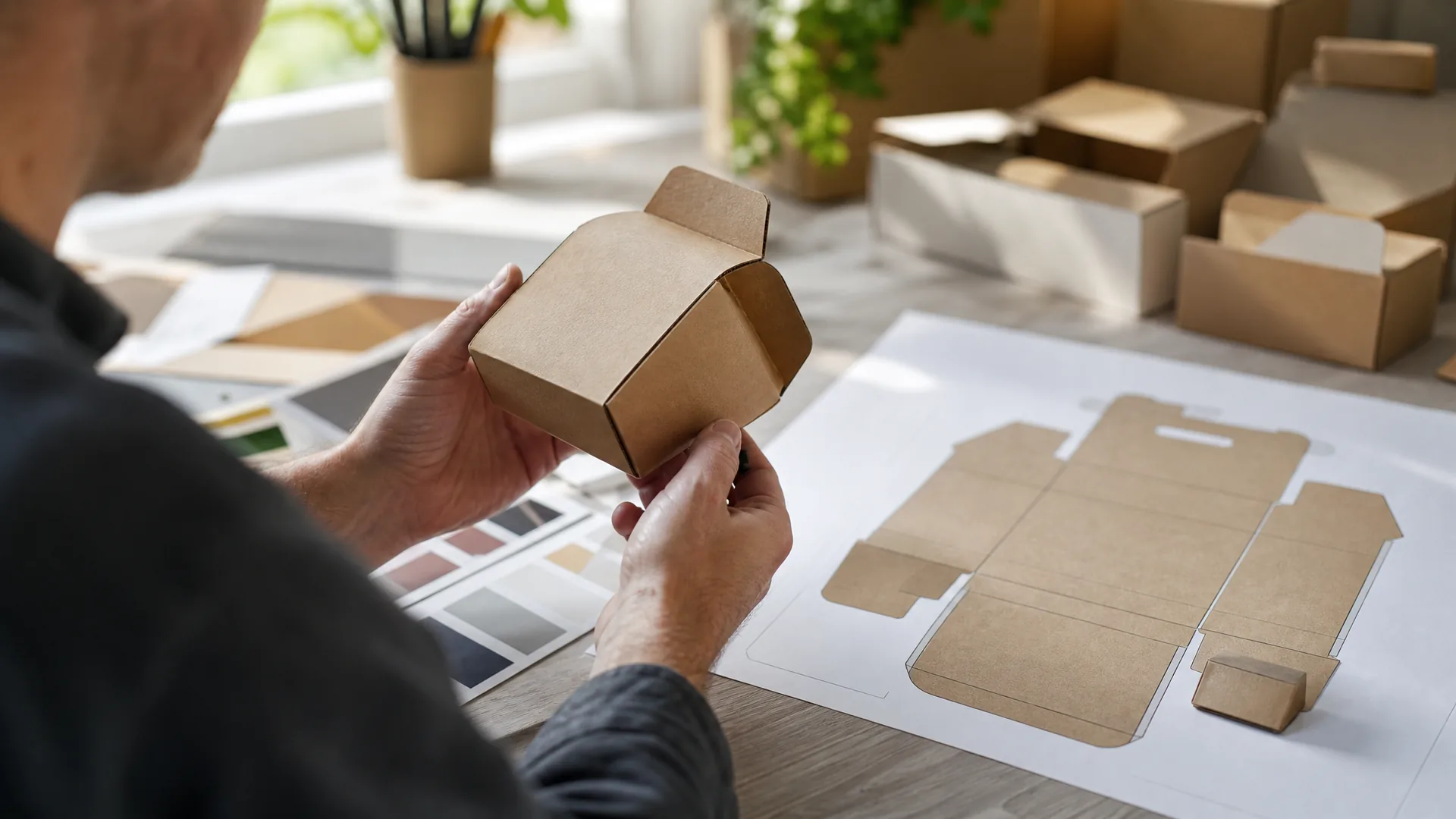
A packaging mockup gives you a real-world version of your design, either as a rendered 3D visual or as a physical, assembled sample, before you commit stock, plates, and production time to it. A digital proof, by contrast, usually only confirms that the artwork file is technically correct. It doesn't tell you whether the carton will close properly, whether the label will sit flush on a curved bottle, or whether the printed colour matches what was approved on screen. Understanding that difference is the first step to avoiding an expensive reprint.
Why a Packaging Mockup Service Matters More Than Brand Managers Think
Packaging decisions get made early and reviewed quickly, often under pressure to hit a launch date. That's exactly when structural and print issues slip through, because everyone is reviewing a flat PDF or a polished render rather than something they can hold, turn over, and test.
The real cost of skipping a mockup
Reprints caused by dieline or artwork errors typically cost far more, in wasted stock, plates and lost shelf time, than the mockup stage that would have caught them. Most brand owners underestimate this trade-off until it happens to them. A missed fold line, a mismatched Pantone reference, or a barcode that doesn't scan can halt an entire production run. Once cartons are printed and cut, there's no cheap way to undo the error.
The cost isn't just the reprint itself. It's the delayed launch date, the retailer relationship strain, and the wasted marketing spend tied to a product that isn't on shelf when promised.
Where digital renders fall short
Digital renders are useful for concept approval and stakeholder sign-off, but they have limits. A cosmetics brand discovering during a physical mockup that a pump dispenser doesn't seat correctly in a carton is a classic example: a fault invisible on a flat proof but obvious the moment the mockup is assembled. Renders show you what the design should look like. They don't show you how the components behave together, how the substrate handles under real lighting, or whether tolerances are tight enough for reliable assembly on a packing line.
Types of Packaging Prototypes: From Digital Render to Physical Proof
Not every project needs the same level of proofing. The right prototype depends on how new the structure is, how critical colour accuracy is to the brand, and how much risk the business can tolerate at launch.
Digital mockups and 3D renders
Digital mockups are fast, low-cost, and ideal for early-stage concept approval. They let internal stakeholders, marketing teams, and sometimes retail buyers see how a design will look before any physical material is committed. They suit reviewing branding, layout, and general shelf appeal, particularly when the packaging structure itself is already proven and unchanged.
Physical carton and label prototypes
Physical prototypes matter once structure, fit, or print accuracy are in question. A hand-assembled carton mockup confirms that fold lines, glue points, and dimensions work as intended. A physical label proof, printed on the actual substrate, confirms how colour, varnish, and finish will genuinely appear once the job runs, something a screen simply cannot replicate accurately. Packaging consultants generally agree that a structural or digital mockup should be treated as a mandatory checkpoint, not an optional extra, whenever a carton, label or closure is new or has changed.
If your project involves a new structure, it's worth revisiting the packaging design brief requirements at this stage, since a well-defined brief makes it far easier to know which type of prototype is actually needed.
The Pre-Press Packaging Review Process Explained
Before any job goes to plate, it should pass through a formal pre-press review. This is the technical checkpoint that sits between design approval and production, and it's where a knowledgeable print partner earns their keep.
What gets checked before print
Gateway's own pre-press review process checks artwork against dieline, bleed, colour and barcode specification before a job goes to plate. In practice, that means confirming:
- The artwork aligns precisely with the approved dieline, with no elements cut off or misplaced across folds.
- Bleed and safe zones are correctly set so nothing critical sits too close to a trim edge.
- Colour separations match the approved colour references, including any spot colours.
- Barcodes are placed correctly, sized to specification, and will scan reliably once printed.
- Text and regulatory information are accurate, legible, and positioned as approved.
Common errors caught at this stage
This is often where a nutraceutical brand relying on a digital render alone later finds that the approved colourway looks noticeably different once printed on the actual carton stock under factory lighting. Pre-press review is designed to catch exactly that kind of gap, along with dieline mismatches, incorrect bleed, and barcode errors that would otherwise only surface once stock is already printed.
Setting Up an Artwork Approval Process That Protects Your Brand
A clear artwork approval process gives everyone involved a defined role and a defined sign-off point, rather than leaving approval to a single rushed email thread. For most FMCG and retail launches, that process should include four stages:
- Concept approval, marketing and brand teams sign off on design direction, messaging, and overall look.
- Structural approval, packaging or operations teams confirm the carton or label will function correctly on the production and packing line.
- Pre-press review, a technical check of dielines, bleed, colour and barcodes before plates are made.
- Final proof sign-off, a last physical or digital proof confirming everything matches what was approved at each earlier stage.
Each stage should have a named, accountable approver internally, not a group of people who assume someone else has checked. Skipping a stage to save time is usually where errors slip through unnoticed.
Carton Mockups vs Label Mockup Services: What's Different
Carton mockups and label mockups solve different problems, and brand managers sometimes assume one covers the other.
A carton mockup tests structure. It confirms the dieline works, that fold lines sit correctly, that the box closes and holds its shape, and that any inserts or dividers fit as designed. This matters most when you're introducing a new carton shape or size, exploring the folding carton packaging options available to your product, or changing board weight or finish.
A label mockup service, by contrast, focuses on substrate, adhesive, and print finish. It confirms how the label will sit on the container, whether the adhesive performs on that particular surface, and how the print looks under real conditions rather than on screen. This is essential when reviewing custom printed product labels, particularly for products using roll labels for bottles or exploring different vinyl label applications for durability or shelf conditions.
If your project involves both a new carton and a new label, you'll typically need both types of proofing, run in parallel rather than one after the other, to keep the timeline realistic.
Choosing a Packaging Proof Partner in South Africa
The right time to commission a physical prototype is as soon as a structure or substrate is new, changed, or unproven, not after the artwork has already been finalised. Building mockup and pre-press review time into your launch schedule from the outset, rather than treating it as an optional add-on, is what keeps timelines realistic. In most cases, a mockup and pre-press review adds a modest, well-defined stage to the schedule, and that time is recovered many times over by avoiding a reprint later.
Questions to ask before you commit to a print run
Before signing off on a full production run, it's worth asking any potential print partner:
- Do you provide both digital renders and physical prototypes, or only one?
- Is a formal pre-press review, checking dieline, bleed, colour and barcode, included as standard?
- How long does your mockup and proofing stage typically take?
- Can you show examples of structural issues your process has caught before print?
- Who signs off internally at each stage, and how are changes communicated back to us?
For brands in cosmetics or personal care, it's also worth reviewing the considerations for vetting a cosmetic packaging supplier before committing to a longer-term partner. Brands in the health and wellness space should also check the nutraceutical label requirements apply correctly at the artwork stage, since compliance errors are just as costly as structural ones.
Gateway works with FMCG brands, agencies, and packaging managers across South Africa as a long-term proofing and production partner, not a one-off print supplier. If you're planning a new carton, label, or packaging refresh, requesting a mockup or pre-press proof is a low-risk way to confirm your design works before you commit to a full print run. Get in touch with Gateway to discuss a mockup or pre-press review for your next packaging project.