Label Printing Company Near Me: Choosing a SA Partner
Searching for a label printing company near me usually turns up results suited to small businesses or one-off sticker runs. Established FMCG brands need something different. When your production runs range from 2,000 to 50,000 units, the physical distance to the print facility matters far less than the supplier's technical capacity and reliability. A generic local shop might be convenient for a quick turnaround on office stationery, but it typically lacks the specialised equipment and account management structure that commercial packaging at scale requires.
For established brands operating across South Africa, the priority shifts from geographic proximity to finding a partner that can support long-term growth and handle complex regulatory requirements. Your packaging supply chain depends on consistency, material expertise and predictable lead times, not on being down the road. Choosing the right partner means checking their ability to hold premium quality standards and fit into your broader manufacturing and distribution schedule.
Why Proximity Matters Less Than Production Capacity for FMCG Brands
The search intent behind finding a local label printer south africa usually comes from wanting better communication and faster logistics. Those benefits don't automatically translate into commercial packaging success. Visiting a facility can offer reassurance, but the real value lies in whether it has the machinery and workflow to handle high-volume FMCG output. You need a partner whose capabilities match your brand's trajectory, whether they sit in the same suburb or are simply reachable within the region.
Defining 'Local' Beyond Geography
For established FMCG brands, the definition of "local" shifts from physical distance to responsive account management and technical alignment with production schedules. True locality here means direct access to decision-makers who understand your specific SKU portfolio and respond without bureaucratic delay. It's operational closeness rather than postal code proximity, so your packaging supplier functions as an extension of your own procurement team. That distinction is what separates a transactional vendor from a strategic partner invested in how your product performs on shelf.
Capacity Over Convenience for Established Brands
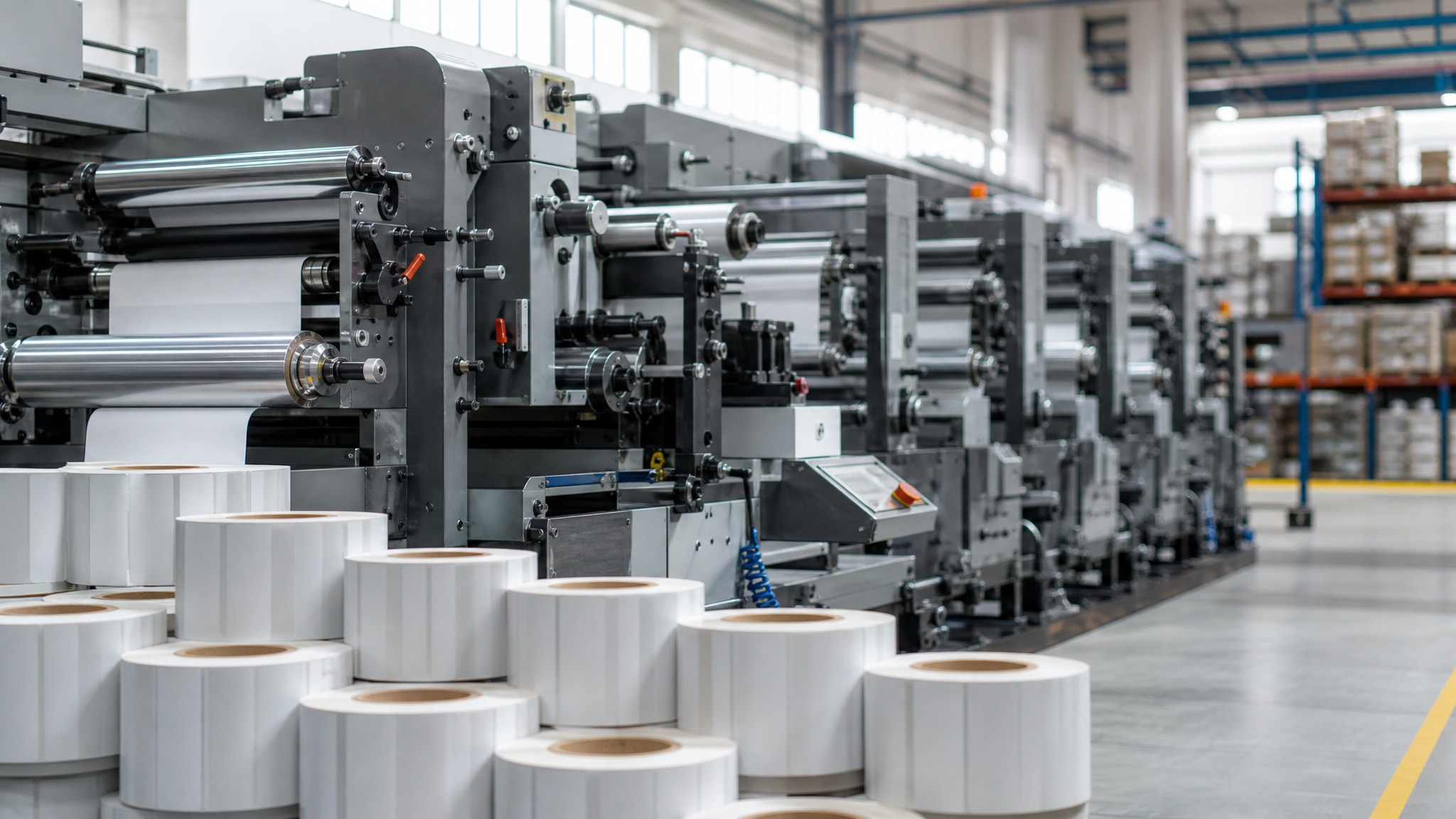
Gateway Print & Packaging specialises in production runs of 2,000 to 50,000 units, with a focus on premium quality and expert advice for established brands rather than low-volume quick prints. That focus means the production line is set up for commercial volumes, where unit cost efficiency and colour consistency matter more than same-day desk delivery. Smaller digital setups built for short runs often struggle to hold margin and quality once scaled up, which creates hidden costs and variability that chip away at brand equity. Choosing a packaging printer for FMCG brands means the infrastructure already matches your volume requirements.
Evaluating Label Printing Services South Africa for Premium Quality
Quality in label printing isn't just visual appeal. It covers durability, adhesion and regulatory compliance across different retail environments. According to Avery, professional print services offer comprehensive customisation and design support tailored to business branding needs, which sets them apart from basic sticker providers. When you evaluate suppliers, look beyond sample books and ask for evidence of how they manage quality control across full production runs. Your brand's reputation rests on every unit meeting the same standard, whether it's the first off the press or the ten-thousandth.
Assessing Print Consistency Across Multiple SKUs
Brand managers run into real problems when colours drift between batches, or when different substrates absorb ink inconsistently across a product range. Checking for print consistency means asking suppliers about their colour management systems, substrate testing protocols, and how they archive job specifications for reprints. A reliable partner will show you pre-press checks and inline monitoring that catch variation before it reaches the packing line. Without those controls, a visually strong initial proof can still degrade into inconsistent shelf presence over later orders.
Material Expertise for Cosmetics and Healthcare
Choosing the right label materials for cosmetics packaging takes knowledge of how adhesives behave on glass and plastic, and under moisture or oil exposure. Generic printers often lack the technical depth to advise on films that resist peeling in humid bathrooms, or vinyls that survive refrigeration condensation without delaminating. You should expect detailed guidance on how materials perform against your product's lifecycle and retail environment. That expertise is what prevents labels lifting, fading or becoming illegible once the consumer gets the product home.
Turnaround Reliability vs Speed: What Packaging Printer Johannesburg Clients Need
Advertised same-day printing speeds usually apply to simple digital stickers, and have little to do with the scheduled production of folding cartons or roll labels for commercial lines. Predictable turnaround matters far more to procurement teams than raw speed, because it's what makes accurate inventory planning and launch scheduling possible. A packaging printer johannesburg clients trust knows that missing a production slot through an unexpected delay costs more than paying a premium for expedited service. Your supply chain needs certainty, not just velocity.
Predictable Lead Times for Production Planning
Reliable lead times let brand managers line up packaging arrivals with filling schedules, warehouse capacity and retail delivery windows, without holding excessive safety stock. When a supplier consistently delivers on promised dates, you spend less time chasing orders and managing stockout risk. That predictability comes from realistic capacity planning and honest communication about bottlenecks, well before they hit your timeline. Operational discipline like this is what lets you forecast with confidence instead of hope.
Managing Rush Orders Without Compromising Quality
Emergencies happen in FMCG, but pushing a complex print job through an unsuitable process just invites errors that compound the original problem. A capable supplier tells the difference between a genuine expedited request and an unrealistic demand, and gives you an honest read on what's achievable within a compressed timeframe. They manage this with flexible capacity buffers and reprioritised workflows, not by skipping quality checks. Understanding the difference between a premium packaging supplier versus cheap printer is what stops you falling for the false economy of a fast-but-faulty emergency run.
The Role of Account Management in Custom Label Supplier Relationships
Transactional order processing fails established brands dealing with complex regulatory requirements and frequent artwork updates. Dedicated account management gives you the proactive oversight that catches problems before they turn into expensive reprints or compliance breaches. You deserve a point of contact who anticipates your needs from historical data and industry knowledge, rather than one who just reacts to purchase orders.
Effective account managers act as technical translators between your creative vision and the realities of production, making sure designs are print-ready before plates are made. They track regulatory changes affecting labelling requirements and flag conflicts early in development. This kind of proactive guidance is what supports avoiding packaging reprint errors: checking specifications against current standards and past performance data, and protecting both your budget and your brand over the long term.
Finding a Label Printing Supplier Near Me for Specialised Industries
Generic local printers often lack the certifications, material libraries and process controls that regulated sectors like pharmaceuticals or veterinary products demand. Industry-specific regulation dictates everything from adhesive composition to font size and tamper-evidence features, which makes specialist knowledge non-negotiable. Finding the right custom label supplier near me means checking their track record against your sector's compliance framework and quality expectations. Geographic convenience doesn't make up for regulatory ignorance in these high-stakes categories.
Compliance Requirements for Veterinary and Pharma Labels
Pharmaceutical and veterinary labels must meet strict legibility standards, chemical resistance requirements and traceability protocols that generalist shops rarely encounter. Suppliers serving these industries keep documented quality systems, validated material supply chains and change control procedures that satisfy audits. You need to confirm that your partner understands the specific regulatory body governing your product, and can show compliance through documentation rather than a verbal assurance. Getting this wrong risks product recalls and regulatory sanctions that dwarf anything you'd save using an unqualified printer.
Shelf Standout Strategies for Personal Care Products
Personal care brands compete hard on shelf, and need finishes and substrates that read as premium while surviving a demanding retail and usage environment. Technical skill in embossing, foil stamping and textured papers has to be balanced against practical concerns like scuff resistance and moisture tolerance. Your supplier should steer you toward combinations that deliver visual impact without losing functional performance in transport or in the consumer's hands. That balance is what separates a launch that works in the real world from one that only looks good in a mockup.
Transitioning to a New Local Label Printer Without Disruption
Switching suppliers carries risk, but careful vetting and a structured onboarding process can keep disruption to your existing supply chain to a minimum. Start by getting an accurate packaging quote built on full specifications rather than vague estimates that hide variables. Ask for physical samples produced on the actual equipment intended for your run, not just generic swatch books or digital proofs. Agree explicitly on minimum order quantities, lead time expectations and quality acceptance criteria before you place your first commercial order.
Running the new supplier in parallel with your incumbent during the transition gives you a safety net while you test their performance under real conditions. Log every discrepancy and every communication response during this phase, so you can set a baseline and spot systemic weaknesses early. Rushing the switch to chase a lower price often introduces hidden costs that cancel out whatever you saved.
Securing Your Packaging Supply Chain with Expert Partners
The strongest label printing partnerships are built on technical capability, operational reliability and industry-specific expertise, not geographic proximity. Established FMCG brands do better with suppliers who understand commercial production requirements and regulatory complexity in depth. Weigh potential partners on their track record with similar volumes, their material knowledge and their commitment to proactive account management.
Frequently Asked Questions
What minimum order quantity should I expect from a commercial label printer?
Commercial label printers serving established FMCG brands typically handle production runs starting around 2,000 units up to 50,000 or more. This volume threshold ensures the press setup costs are amortised effectively while maintaining the quality consistency required for retail packaging. Suppliers focused on this range optimise their workflows for commercial efficiency rather than short-run digital convenience.
How do I verify a label printer can handle my industry's compliance requirements?
Request documentation of their quality management systems, material certifications, and previous work with similar regulated products in your sector. Ask specific questions about their change control procedures, batch traceability, and how they stay current with relevant regulatory updates. A compliant supplier will provide concrete evidence rather than general assurances about their capabilities.
Why does my label colour vary between different print runs?
Colour variation often results from inconsistent substrate absorption, inadequate colour management systems, or failure to archive precise job specifications for reprints. Commercial printers prevent this through standardised ink formulations, regular press calibration, and documented colour targets tied to your specific brand assets. Verify that your supplier uses spectrophotometric measurement and maintains master standards for every SKU.
Can a local printer handle rush orders without compromising quality?
Capable commercial printers maintain flexible capacity buffers specifically for legitimate expedited requests without bypassing essential quality checkpoints. They distinguish between achievable rush timelines and unrealistic demands that would introduce errors into your supply chain. Honest assessment of what can be delivered safely matters more than promising impossible speed that results in faulty stock.