Label Material for Product Packaging: South Africa Guide
Choosing the right label material means looking past visual appeal to the physical realities of your supply chain and retail environment. A beautiful design fails fast if the substrate can't handle local humidity, cold chain logistics, or the chemical makeup of your product. Brand managers and procurement teams often focus on finishes and artwork. The face stock underneath is what actually determines whether that artwork survives from the filling line to the consumer's home.
This guide sets out a practical way to choose between paper, BOPP, polyester and other substrates based on performance, not looks. We cover the specific challenges of the South African market, where products endure everything from coastal moisture to rough transport conditions. Get the technical distinctions right and you avoid costly reprints and protect your brand at the shelf.
Why Substrate Selection Matters More Than Finish
Soft touch, spot varnish and other finishes only work if the base material underneath is stable. Validate the structural integrity of the face stock before you spend on embellishments that will just highlight failures further down the line. Label finishes and coatings matter, but they're secondary to getting the basic match right between adhesive, substrate and container.
The hidden cost of material mismatch
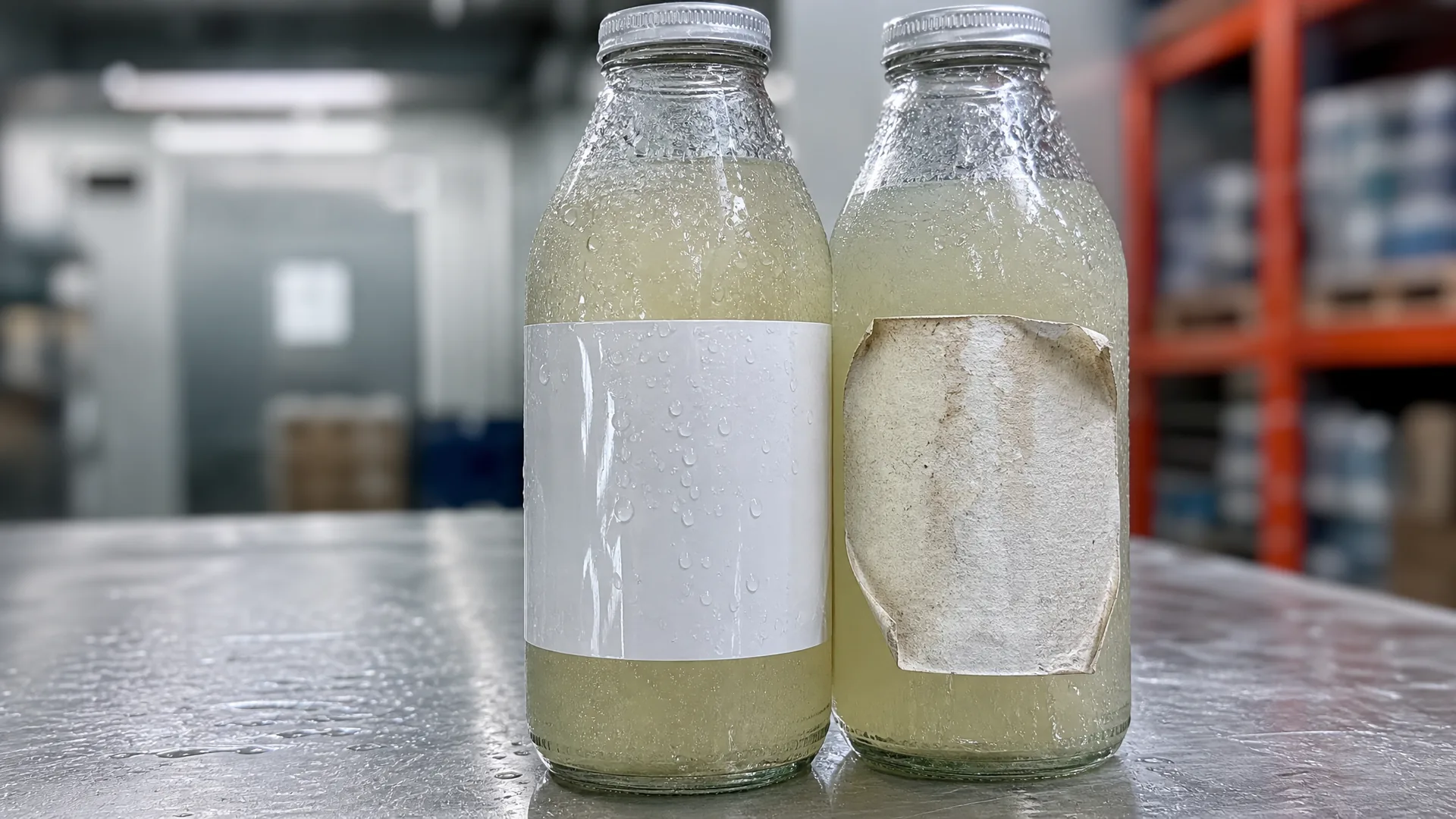
Refrigerated beverage labels fail often, and usually the same way: standard paper stocks absorb condensation, edges lift, and barcodes stop scanning at checkout. The paper fibres swell and lose tensile strength under persistent moisture, which breaks the bond with the adhesive layer beneath. Retailers reject entire pallets when scanning equipment can't read the damaged codes, and a minor material saving turns into a real logistical expense.
Synthetic face stocks like BOPP typically offer significantly higher moisture resistance than coated papers. That's why they're the default choice for products stored in humid bathrooms or fridges. The unit cost is higher, but it removes the risk of delamination during the first three months of shelf life, which is when most of this damage happens.
Environmental factors in South African retail
Local distribution exposes packaging to temperature swings that European or American specs rarely account for. Products move between air-conditioned warehouses and retail shelves with no climate control, and that thermal cycling makes rigid materials expand and contract at different rates to their containers. Coastal regions add another layer: high ambient humidity can activate water-based adhesives prematurely, or make uncoated papers curl before they're even applied.
Your specification needs to account for the worst-case scenario on your specific distribution route, not just the ideal storage condition. Gateway recommends validating adhesion on actual production containers under simulated storage conditions before approving any new label material specification.
Paper vs Synthetic Labels: Making the Core Choice
The choice between organic and synthetic face stocks sets the functional ceiling for your packaging. Pick a substrate on looks alone and you often end up paying for rework later; performance has to match the actual chemical and physical environment the label will face.
When uncoated and coated papers suffice
Paper stocks remain the preferred choice for dry goods, artisanal foods and wine, where tactile authenticity communicates brand value. Uncoated papers give you an organic texture synthetics can't replicate, while coated varieties offer a smoother surface for high-resolution print without losing biodegradability. These work well for pantry staples, boxed goods and glass jars holding low-moisture products, where liquid exposure is minimal.
Paper is porous, though, and vulnerable to oil migration from fatty foods or essential oils. Even a small amount of grease transfer can leave translucent stains that ruin the label within weeks of bottling.
BOPP labels South Africa: moisture and oil resistance
Biaxially Oriented Polypropylene (BOPP) is the industry standard for wet environments because it's dimensionally stable and doesn't absorb water. It resists tearing during high-speed application and stays opaque even when submerged or hit with heavy condensation. For South African brands producing beverages, dairy or personal care items, BOPP gives you the durability you need without the premium price of specialty films.
White BOPP offers strong contrast for vibrant graphics; clear BOPP creates a no-label look on transparent bottles. Both resist oil penetration, which makes them suitable for products containing botanical extracts or cleaning agents that would otherwise degrade paper fibres.
Polyester for extreme durability
Polyester (PET) face stocks resist chemicals, UV exposure and extreme temperatures better than BOPP does. Industrial applications, automotive fluids and harsh household cleaners need this level of performance to stay legible over long shelf lives. Polyester costs more and conforms less easily than polypropylene, but it keeps safety warnings and batch codes intact under aggressive chemical exposure.
For applications that need even greater resilience against abrasion or outdoor weathering, vinyl labels for durable applications go beyond what standard films can offer.
Matching Label Stock to Container Type and Shape
Container geometry and surface energy affect adhesion just as much as environmental exposure does. Match the flexibility and adhesive formulation of your label stock to the physical characteristics of the packaging format, or you'll get flagging or cracking. Roll labels for bottles covers specific bottle formats in more detail, but the same principles apply across container types.
Adhesion on glass versus plastic
Glass is a high-energy surface and accepts most permanent adhesives readily, as long as it's clean and free of mould release agents. Plastic containers vary widely: HDPE and LDPE are low-energy surfaces that need specialised, aggressive adhesives to bond properly. Standard acrylic adhesives may tack to polyethylene at first but debond slowly over time as the plasticiser migrates or the container flexes.
Test adhesion on the exact resin grade and colourant combination used in production. Recycled content or masterbatch additives can alter surface chemistry in ways you won't predict on paper.
Flexible substrates for squeezable tubes and pouches
Rigid materials on compressible packaging crack, crease or pop off when the consumer squeezes the product. Squeezable HDPE bottles, laminated tubes and stand-up pouches need face stocks with enough elongation to move with the container. Thin-gauge PE or conformable BOPP grades let the label deform and recover without stressing the adhesive bond or cracking the ink layer.
Put a rigid film on a flexible tube and it will fail during consumer use, no matter how strong the adhesion looks on the filling line.
Rigidity requirements for flat panels
Flat surfaces on cartons, tins or rigid boxes do better with stiffer face stocks that resist bubbling and bridging over minor surface imperfections. Thicker paper or film lies flatter on large panels because it doesn't conform to the microscopic texture variations that trap air. Put a thick, rigid label on a curved or irregular surface, though, and the material's memory fights the curve, which invites edge lift.
Specify thinner gauges for tight radii, thicker gauges for broad flat areas. That balances conformability against application stability.
Industry-Specific Material Requirements
Regulatory compliance and how consumers actually use a product dictate substrate choices differently across sectors. Your packaging partner needs to understand these sector-specific demands, or you end up with a material that meets spec on paper but fails in practice.
Label material for cosmetics and personal care
Bathroom environments combine high humidity, steam and direct contact with oils, alcohols and surfactants that attack both adhesives and face stocks. Waterproof labels are non-negotiable here, but resistance needs to extend beyond water to essential oils and active ingredients common in skincare formulations. Clear BOPP or metallised films paired with solvent-based adhesives typically survive shower conditions where paper disintegrates and standard emulsion adhesives turn milky.
Drawing on cosmetic packaging supplier expertise helps make sure your substrate choice meets both regulatory labelling requirements and what beauty consumers expect from the product.
Durable labels for household products and chemicals
Cleaning products, pesticides and industrial solvents need face stocks that resist chemical degradation and stay legible through repeated handling with contaminated hands. Polyester or chemically resistant BOPP stops ink smudging and substrate breakdown when exposed to alkaline cleaners, acids or hydrocarbon solvents. Regulations require hazard symbols and instructions to stay readable for the product's entire usable life, so substrate durability is a compliance issue, not just a quality preference.
These labels also need to withstand abrasion from stacking, shipping and dispensing mechanisms without losing critical safety information.
Nutraceutical and pharmaceutical compliance
Healthcare products need substrates compatible with sterilisation processes, cold storage and tamper-evident features. Moisture barrier properties protect dosage information, and specific adhesive formulations keep labels affixed to vials stored at sub-zero temperatures. Pharmaceutical clients often need full traceability of raw materials and certification that face stocks meet pharmacopoeial standards for extractables and leachables.
Validation documentation for these materials adds lead time, but it prevents regulatory holds during audit cycles.
Cost Implications and Run Size Considerations
Material selection affects conversion efficiency and total landed cost, not just the per-thousand label price. Cheaper substrates often generate more waste during printing and application, which cancels out any upfront saving through lower yield. High-speed automated lines running 30,000 units per hour can't tolerate web breaks caused by weak paper stocks or inconsistent liner release: each stoppage costs thousands in lost throughput.
Shorter runs can justify premium materials, since setup waste is a larger share of total output. Longer runs benefit more from optimising for machine speed and consistency. Work out your true cost per successfully applied label, including downtime and rejection rates, rather than comparing supplier quotes in isolation. Custom printed product labels produced on validated substrates reduce total cost of ownership even when the unit price looks higher.
How Gateway Advises on Substrate Selection
We treat substrate specification as a technical consultation, not a transactional order. Our team reviews your container samples, filling environment, distribution profile and shelf-life requirements before recommending a material grade. This step catches incompatibilities that desk research misses, such as adhesive interactions with specific plasticisers or ink adhesion issues on treated surfaces.
Gateway recommends validating adhesion on actual production containers under simulated storage conditions before approving any new label material specification. We run accelerated ageing tests and real-world trials to confirm the substrate performs as expected throughout your product's lifecycle. This evidence-based approach removes the guesswork and gives your procurement team confidence the specification will hold up under commercial pressure.
Next Steps for Specifying Your Label Material
Prepare a brief for your packaging partner that includes physical container samples, details of the filling and capping process, and documented storage conditions from warehouse to end user. Specify any known chemical exposures, regulatory requirements and expected shelf life, so the recommendation accounts for long-term performance and not just initial appearance. Ask for physical prototypes or mockups on the proposed substrate, so you can check hand feel, opacity and adhesion before committing to a full production run.
Book a substrate consultation with our technical team to review your current specifications and find ways to reduce risk or improve performance. Bring your specific challenges to that discussion, and we'll tailor recommendations to your brand standards and operational realities.