Digital Vs Flexo Label Printing: Which Suits Your Run Size?
Choosing between digital and flexo label printing is rarely a simple binary choice for established FMCG brands operating in South Africa. The decision hinges less on which technology is objectively superior and more on how your production volume, substrate requirements, and supply chain realities line up with each method's strengths. Brand managers and procurement teams need to weigh these variables against commercial objectives to get packaging that performs on shelf and on the balance sheet.
This piece goes beyond generic cost comparisons to look at the technical and operational factors that determine the right print method for production runs between 2,000 and 50,000 units. Understanding these distinctions prevents costly mismatches between your packaging strategy and the manufacturing process needed to execute it.
Understanding the Core Technologies Behind Label Print
The fundamental difference between these two technologies is how they transfer ink to the substrate, and that distinction dictates everything from setup costs to colour fidelity. Flexographic printing uses flexible polymer plates to transfer inked images, which suits high-volume consistency, while digital excels at fine detail and photorealistic reproduction without plate costs. You can't simply swap one for the other mid-project without accepting trade-offs in either economics or aesthetic output.
How Flexographic Plate-Based Printing Works
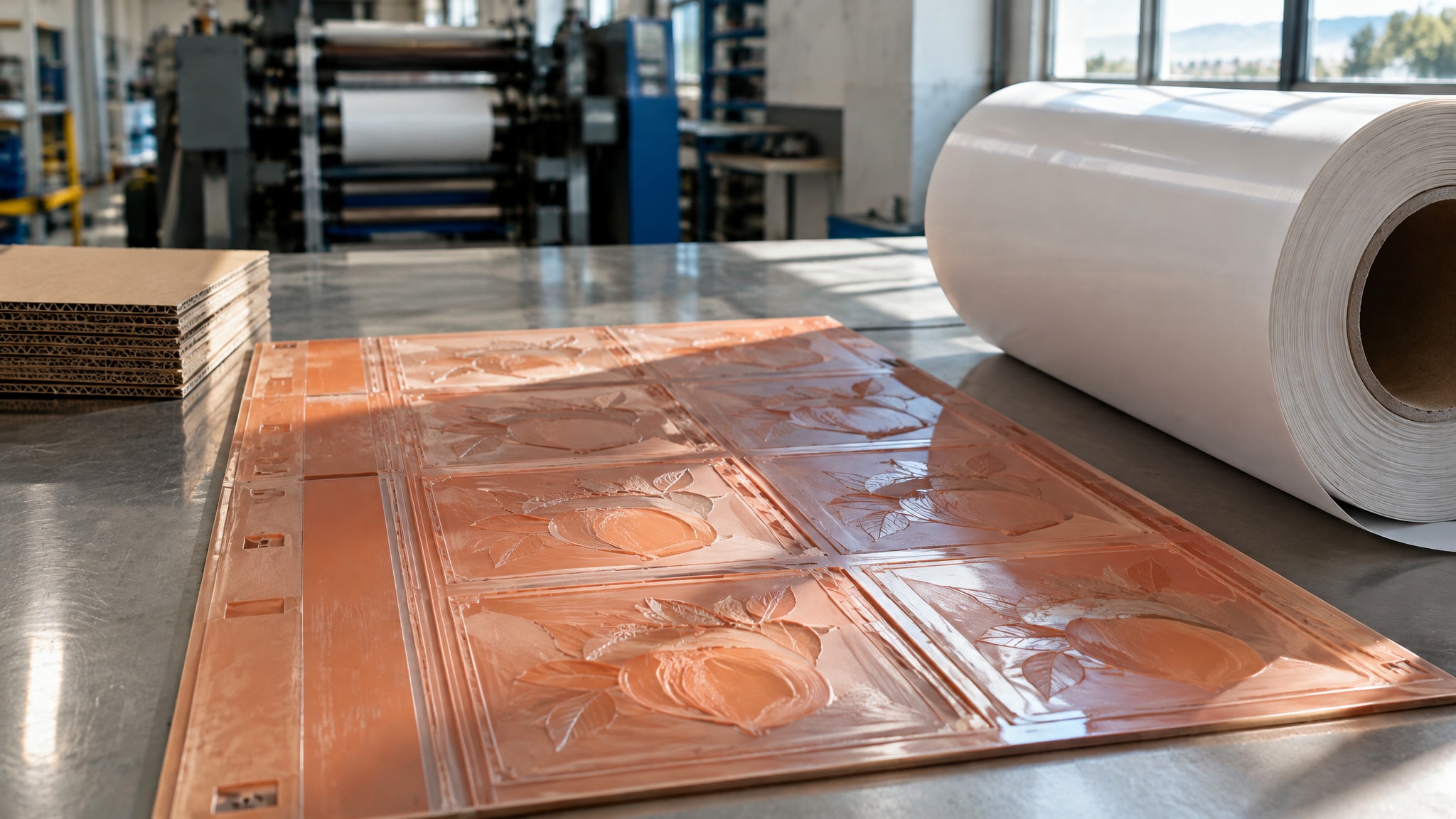
Flexography remains the industry standard for high-volume label production because its plate-based setup delivers speed and colour opacity once it's running. Each colour needs a separate polymer plate mounted on a rotating cylinder, which transfers ink through an anilox roll onto the label material under precise pressure control. This physical contact lets flexo lay down heavy ink films and spot colours that sit vibrantly on non-porous surfaces. It also means significant prepress preparation and plate manufacturing before a single label gets printed.
The Mechanics of Digital Toner and Inkjet Presses
Digital presses skip physical plates entirely, applying toner or inkjet droplets directly to the substrate from electronic file data. You get near-instant job changeovers and variable data capabilities, so every label can be unique without stopping the press. This direct imaging approach often struggles to match the solid ink density that mechanical plate contact achieves, though modern digital equipment has narrowed that gap considerably. The absence of physical pressure means certain specialty materials may not take ink as uniformly as they would under flexo conditions.
Run Length Economics for South African FMCG Brands
Production volume is the main economic driver when comparing digital vs flexo label printing, but the crossover point varies by label size, colour count, and finishing complexity. Digital printing typically becomes less cost-competitive than flexo beyond the mid-thousands unit threshold, because there's no plate cost to amortise, though exact crossover points vary by label size and colour count. Established FMCG brands managing multiple SKUs often use digital for short-run promotional variants and flexo for core range replenishment, balancing agility against unit cost.
Cost Dynamics for Short Run Label Printing Under 5,000 Units
Short run label printing favours digital because there are no plate costs to absorb. The per-unit price stays relatively stable whether you print 500 or 4,000 labels. This structure supports product launches, seasonal promotions, and test marketing, where committing to plate tooling would be financially reckless. Your budget goes further on smaller batches because you pay only for the labels produced rather than subsidising fixed setup costs that assume future volume.
Where Flexographic Label Printing Becomes Cost-Effective
Flexographic label printing in South Africa becomes economically advantageous once your order quantity is large enough to spread plate and setup costs across enough units to drive the per-label price below digital rates. That threshold typically sits in the mid-thousands for standard-sized labels with moderate colour counts, though complex die-cuts or inline finishing can shift the breakeven point upward. For core SKUs with predictable demand, the higher upfront investment pays off over repeated production cycles.
Navigating the Mid-Volume Crossover Zone
Brands producing between 3,000 and 10,000 units often land in an ambiguous zone where neither technology offers a clear cost advantage. Here, turnaround urgency, colour criticality, and the likelihood of a reprint should outweigh marginal per-unit differences when you pick a print method. Requesting comparative quotes for both technologies at your specific volume gives you concrete data, rather than relying on industry averages that may not reflect your label's specifications.
Colour Consistency and Substrate Compatibility
Visual performance on shelf depends as much on material choice as on print technology. Some substrates demand specific press capabilities to hit brand standards. Gateway Print & Packaging advises clients that substrate choice frequently dictates print method; metallic or textured face stocks may need flexo or hybrid finishing to achieve shelf-ready opacity that standard digital can't replicate. Verify press compatibility with your chosen material before finalising artwork, particularly if your design relies on solid colour blocks or white ink underprinting.
Achieving Brand Colour Accuracy Across Different Materials
Flexo traditionally delivers superior opacity and vibrancy on dark or non-porous substrates because it can lay down thick, opaque white ink layers that digital systems often can't match. Digital colour accuracy has improved a great deal for process colours on white papers, but if your brand needs exact Pantone matches on clear films or metallic stocks, request physical proofs on the actual production material. Colour consistency across multiple production runs also tends to be more reliable with flexo once plates are approved, whereas digital can show slight batch-to-batch variation from environmental calibration factors.
Substrate Limitations and Speciality Material Performance
Not all label materials perform equally well on digital presses, particularly uncoated papers, synthetic films, and heavily textured stocks designed for premium tactile effects. Digital toner and inkjet fluids need specific surface treatments to adhere properly and cure completely, so your material supplier must confirm digital compatibility before you commit to this workflow. Flexo imposes fewer substrate restrictions, since mechanical ink transfer works across virtually any face stock. That makes it the safer choice when your brand identity depends on unconventional materials or aggressive adhesives.
Turnaround Times and Supply Chain Responsiveness
Speed to market matters differently depending on whether you're launching a new product or restocking an established line. Digital printing offers significantly faster turnaround for urgent orders, because it skips plate production and mounting, taking jobs from file approval to finished labels within days rather than weeks. This supports agile marketing campaigns and emergency restocks, though it comes at a higher per-unit cost that needs commercial urgency to justify it, not just convenience.
Flexographic lead times include plate manufacturing and press setup, which typically adds several working days before production even begins. Once running, though, flexo presses produce labels far faster than digital alternatives, so large orders complete in less calendar time despite the longer setup phase. Accurate forecasting becomes essential when choosing flexo. Rush orders incur expedited plate fees that can erase the volume-based cost advantages you were chasing in the first place.
Hybrid Printing: Combining Digital Detail with Flexo Finish
Hybrid printing is a strategic middle ground for brands in the 2,000–50,000 unit range that want premium embellishments without full flexo setup costs. These systems print variable data or photorealistic imagery digitally while using flexo stations inline to apply spot colours, varnishes, or cold foil in a single pass. You get digital's flexibility for versioning and personalisation alongside flexo's ability to deliver opaque whites and tactile finishes that lift shelf presence beyond what pure digital can achieve.
Mid-volume brands should consider hybrid when designs combine photographic elements with brand-critical spot colours, or when they need multiple SKU variants sharing common embellishments. This avoids the compromise of choosing between digital's detail and flexo's finish, delivering both within a cost structure that makes sense for runs too large for pure digital but too small for dedicated flexo tooling. Hybrid adoption is growing among South African cosmetics and nutraceutical brands that won't sacrifice premium aesthetics during growth phases.
Selecting the Best Printing Method for Product Labels
There's no single best printing method for product labels. The right choice comes from weighing your run size, substrate, colour requirements, and timeline against what each technology can do. What suits a new nutraceutical launch may not suit an established household cleaner refill, even from the same parent company. Evaluating true cost beyond unit price means weighing reprint risk, inventory holding costs, and the commercial value of faster market entry alongside the quote on your desk.
Decision Framework for Brand Managers and Procurement Teams
Start by mapping each SKU to its realistic annual volume, then sort which labels fall clearly into digital or flexo territory versus those in the crossover zone. For borderline cases, prioritise substrate compatibility and colour criticality over marginal cost differences. A cheaper label that fails on shelf or breaks brand guidelines costs far more than the savings it brought in. Bring your packaging partner in early when managing multiple SKU packaging efficiently, so your technology choices scale with your product portfolio instead of locking you into constraints that slow future growth.
When to Prioritise Quality Over Speed or Cost
Premium categories like cosmetics and pharmaceuticals often justify flexo or hybrid investment at lower volumes, because shelf appearance directly shapes purchase decisions and brand perception. Rushing a launch with digital labels that lack the necessary opacity or texture can damage positioning more than waiting for proper tooling would have cost in lost sales. Functional labels for industrial or veterinary products, on the other hand, may tolerate digital's limitations if speed and versioning flexibility matter more than aesthetic perfection. Quality priorities should match category expectations, not an abstract standard.
Partnering with a Local Packaging Expert
Technology selection is only one part of sourcing labels well. Reliable local support is what actually protects colour consistency, regulatory compliance, and supply continuity across production cycles. South African brands face currency volatility, import delays for specialty materials, and labelling regulations that keep shifting, challenges a distant supplier can't respond to quickly. Working with a partner who understands these local dynamics cuts risk far more than optimising print method on its own ever will.
Expert consultation helps you avoid expensive mistakes when moving between digital and flexo or scaling production beyond initial projections. Avoiding costly packaging reprint errors starts with an honest conversation about what you actually need, not assumptions about what technology should work in theory. When you're ready to move forward, requesting an accurate packaging quote that accounts for your run size, substrate, and colour requirements ensures the recommendation you get reflects commercial reality, not generic guidance.
Frequently asked questions
At what volume does flexographic printing become cheaper than digital for South African brands?
Flexographic printing typically becomes more economical than digital once order quantities exceed the mid-thousands, though the exact crossover depends on label size, colour count, and finishing complexity. For standard labels with moderate colours, breakeven often falls between 3,000 and 7,000 units, but requesting comparative quotes for your specific specifications provides definitive guidance. Below this threshold, digital's elimination of plate costs usually makes it the lower total-cost option.
Can digital printing match flexo colour vibrancy on metallic or clear label materials?
Standard digital presses often struggle to achieve the same opacity and vibrancy as flexo on metallic films, clear substrates, or dark face stocks because they cannot lay down thick opaque white ink layers mechanically. Some advanced digital systems now offer enhanced white ink capabilities, but brands requiring exact Pantone matches or heavy coverage on specialty materials should request physical proofs on the actual production substrate before committing. Flexo remains the safer default for premium visual performance on non-porous or coloured stocks.
How do turnaround times differ between digital and flexo for urgent label restocks?
Digital printing typically delivers finished labels within days because it requires no plate manufacturing or mounting, making it ideal for emergency restocks and rapid prototyping. Flexographic production adds several working days for plate creation and press setup before printing begins, though once running it completes large volumes faster than digital. Choose digital when speed is critical and volume is modest; choose flexo when you have adequate lead time and larger quantities that justify the setup phase.
What is hybrid printing and when should mid-volume brands use it?
Hybrid printing combines digital imaging with inline flexo stations to apply spot colours, varnishes, or cold foil in a single pass, offering premium embellishments without full flexo plate costs. Mid-volume brands producing 2,000 to 50,000 units should consider hybrid when designs require both photorealistic detail and brand-critical finishes, or when multiple SKU variants share common embellishments. This approach bridges the gap between digital flexibility and flexo quality for brands too large for pure digital but too small for dedicated flexo tooling.