Carton Printing Supplier Vs Label Printing Supplier: Which?
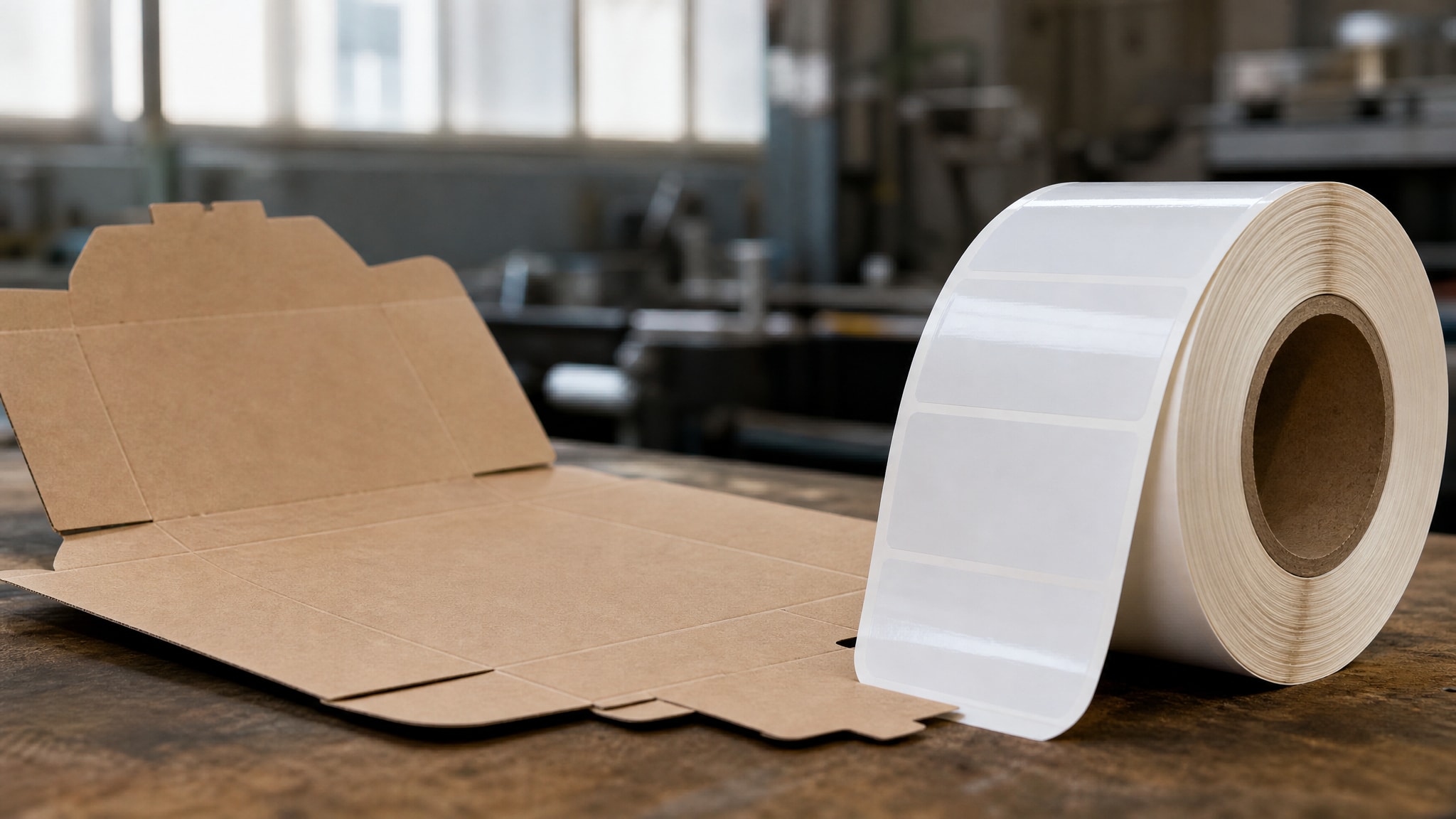
Sourcing packaging components means dealing with specialised vendors, and procurement teams often misunderstand the distinction between a carton printing supplier and a label printing supplier. Both produce printed collateral for your product, but they run on fundamentally different mechanical principles and serve different jobs in your supply chain. Assuming that any commercial printer can handle both folding cartons and pressure-sensitive labels equally well is a common mistake, and it leads to compromised quality or delayed launches.
Understanding the technical differences helps you decide whether to use separate specialists or find one partner that manages both disciplines under one roof. Your decision hinges on production volume, structural complexity, and how much colour consistency your brand needs across different substrates.
Fundamental Differences Between Carton and Label Printing
Carton printing machinery differs from label presses because each is built for specific materials and finishing requirements that rarely overlap. A folding carton printer in South Africa has to be configured to handle rigid board stock that requires precise scoring, creasing and gluing to hold its structure. Label equipment, by contrast, is built entirely around flexible face stocks and adhesive application.
Substrate and Structural Requirements
Carton board has a rigidity and grain direction that demands careful handling through the print and finishing process, or it cracks and warps during high-speed converting. Labels use thin films or papers designed to conform to container curves and stay adhered under changing conditions without lifting or bubbling.
You cannot run label stock through a carton press, or the reverse, without risking substrate failure or poor adhesion once the product is out in the field. That's why many generalist printers outsource one half of your packaging needs rather than invest in dual-capability equipment.
Press Technology and Finishing Capabilities
Carton presses typically use sheet-fed offset or digital technology built for heavier weights, with inline die-cutting and glue stations adding real mechanical complexity to the line. Label printing relies mostly on narrow-web flexographic or digital roll-to-roll systems, fitted with rotary die-cutters, lamination units and slitters designed for continuous flexible material.
These different press setups need operators with specific skills, because tension, registration and ink transfer behave differently on each substrate. Forcing one press type to handle both formats results in poor output quality or slow changeovers that eat into any cost savings.
When to Choose a Specialist Folding Carton Printer
Complex die-lines, heavy board weights or intricate structural features call for dedicated carton expertise, because generalist equipment can't replicate them accurately. Established brands that need consistent colour matching across large runs benefit from suppliers with carton-specific quality control that accounts for board porosity and coating variation.
Structural Integrity and Die-Cutting Precision
A poorly scored carton won't assemble correctly on automated packing lines. The jams and downtime that follow cost far more than any unit savings from using a non-specialist vendor.
If you're evaluating vendors for structurally demanding projects, our guide on choosing a custom folding carton supplier sets out the technical criteria worth checking before you commit to a production run.
Specialist carton printers invest heavily in precision die-making and creasing matrix systems, so every fold sits exactly where it should regardless of board batch or humidity. That mechanical precision matters for pharmaceutical, cosmetic and premium food products, where packaging geometry affects both consumer perception and regulatory compliance.
High-Volume FMCG Packaging Runs
Large FMCG contracts often justify the setup costs of dedicated carton facilities, since tooling expenses can be spread across tens of thousands of units while colour tolerances stay tight throughout the run. At these volumes, specialist carton printers can beat integrated suppliers on pure unit price.
That volume advantage only holds if your annual requirements consistently exceed the point where dedicated press time beats shared-capacity scheduling. Brands with fluctuating demand or seasonal SKU rotations often find that specialist minimum order quantities create excess inventory that cancels out any theoretical per-unit saving.
When to Select a Dedicated Label Printing Supplier
When moisture resistance, tamper evidence or chemical compatibility matter more than structural packaging, that's when label functionality takes priority over the box itself, particularly where products face harsh storage or strict regulatory oversight. Pharmaceutical and veterinary products often need specialised adhesives and tamper-evident features that generalist carton printers can't produce in-house without compromising performance or compliance.
Adhesive Performance and Material Compatibility
The wrong adhesive system can mean labels delaminating during cold chain transport, or failing to stick to the low-energy plastic surfaces common in personal care packaging. For more detail on material selection, our article on custom printed product labels covers the technical ground for brands prioritising label-first sourcing.
Dedicated label printers keep extensive libraries of tested adhesive and face stock combinations, validated against specific container materials and environmental exposure. That knowledge, built over time, prevents costly failures that only show up after products have reached retail shelves.
Variable Data and Regulatory Compliance
Sequential numbering, batch coding and regulatory updates need label presses with variable data printing that doesn't disrupt the main packaging schedule or trigger expensive plate changeovers. Specialist label facilities build vision inspection and barcode verification directly into their workflow, so every serialised element meets traceability requirements before it ships.
This flexibility lets you update compliance text or promotional messaging at short notice, without waiting on new carton plates or a lengthy press setup. For brands in regulated categories where label content changes often, that agility usually outweighs marginal unit cost differences from a less responsive supplier.
Evaluating Packaging Printer Capabilities for Combined Orders
Sourcing both cartons and labels from one supplier, capable of managing cross-substrate colour matching and unified lead times, brings advantages beyond simple administrative convenience. Managing separate suppliers for cartons and labels raises the risk of colour variance and delivery misalignment, which can delay launches and create shelf inconsistency that undermines premium positioning.
Colour Consistency Across Different Substrates
Brands launching new skincare ranges often need exact Pantone matching across both the folding carton and the vinyl bottle label to keep shelf appeal consistent, despite the colour reproduction differences between porous board and synthetic film. Getting that visual match right needs a printer who understands how ink behaves differently on each substrate and adjusts formulations before mismatches appear on press, not after.
Integrated suppliers with both capabilities can run side-by-side drawdowns and approve colour standards against both materials at once. That removes the finger-pointing that happens when separate vendors each blame the other for a mismatch. You get confidence that your brand colours read consistently whether someone's looking at the outer box or the bottle, regardless of lighting or angle.
Streamlined Supply Chain Management
Consolidated ordering cuts administrative overhead by combining purchase orders, invoices and quality approvals into single touchpoints, rather than juggling parallel vendor relationships with different communication protocols. Working with a local packaging printer for FMCG brands simplifies logistics further, keeping inventory close and cutting the freight dependencies that make lead times unpredictable.
Unified project management means carton and label deliveries line up with your filling and packing schedule, rather than one component arriving weeks ahead of the other and sitting in your warehouse waiting. That synchronisation matters most during new product launches, when timing is tight and buffer stock is thin.
Print Run Requirements and Cost Efficiency
Minimum order quantities differ substantially between specialists and integrated suppliers, and that creates different cost efficiency profiles depending on your volume and SKU diversity. Mid-tier runs, between 2,000 and 50,000 units, are the sweet spot for integrated packaging suppliers serving established South African brands that want premium quality without committing to massive volumes.
Specialist facilities built around million-unit annual contracts often set minimums that force smaller brands to over-order, tying up working capital in stock that may expire before it's used. Integrated suppliers spread setup costs across combined carton and label jobs, which makes shorter runs viable while still delivering the colour fidelity and structural precision established brands need.
Understanding how minimum order quantities for custom packaging interact with your forecasted demand helps you avoid the false economy of picking a supplier whose scale doesn't match your actual consumption. The lowest unit price means nothing if you end up storing six months of excess stock, or paying expedited fees later to cover a demand spike your original order didn't allow for.
An integrated approach isn't right for every brand. Those needing ultra-high-volume commodity packaging, or highly specialised industrial labels outside standard FMCG parameters, genuinely benefit from dedicated specialists whose whole operation is built for extreme volume or unusual technical needs that integrated facilities can't match efficiently.
Gateway's Integrated Approach to Cartons and Labels
Gateway Print & Packaging runs both carton and label production under one roof, built for established brands that won't choose between specialist quality and supply chain simplicity. This dual capability removes the coordination friction that plagues multi-vendor arrangements, while keeping the technical rigour that separate specialists traditionally offer.
Unified Expertise Under One Roof
Our facility houses sheet-fed carton presses alongside narrow-web label equipment, staffed by operators who specialise in their own domain but work through shared colour management systems and joined-up project workflows. When you brief your packaging printer with full specifications covering both components, we can catch cross-substrate issues at prepress, rather than mid-production when fixes get expensive and slow.
This integrated model means your packaging decisions get informed guidance from people who understand how carton and label choices interact, functionally and visually. We advise on substrate pairings, finish compatibility and structural considerations that a single-discipline supplier might miss, simply because they can't see the whole packaging system.
Supporting Established South African Brands
Local production means reliable turnaround and responsive service, without the shipping delays or communication gaps that come with sourcing internationally when urgent changes come up. Our client base is mostly established FMCG, cosmetics, nutraceutical and healthcare companies whose turnover and production volumes match our equipment and quality standards.
We focus on the mid-tier volume segment, where personal attention and technical expertise matter more than the lowest possible price. That positioning lets us keep the craftsmanship and responsiveness established brands expect, without asking clients to subsidise infrastructure built for a completely different scale of production.
Making the Right Supplier Decision for Your Brand
Your choice between specialist and integrated suppliers should reflect your long-term packaging strategy, not a unit cost calculation that ignores hidden coordination expenses and quality risk. Assess your annual volume trajectory, SKU complexity, colour consistency requirements and internal resource capacity before requesting quotes. These are the factors that decide which supplier model delivers real value for your situation.
Brands with stable, high-volume SKUs and dedicated packaging engineers may find marginal savings with specialist vendors optimised purely for scale. Companies managing diverse ranges, frequent launches, or lean procurement teams typically do better with integrated partners who absorb the coordination complexity and deliver consistent quality across both components, without demanding constant vendor management.
Book a consultation with Gateway to discuss whether our integrated approach fits your production volumes and quality expectations, or whether your requirements genuinely call for separate specialist engagement.